Commercial Storm Damage in Devon, IN
Devon Water Restoration documents commercial storm losses in Devon the way a carrier's reviewer wants to receive and read them.
Searching for Commercial Storm Damage near Devon? Devon Water Restoration dispatches 24/7, documents everything, and works with your insurance carrier from first call to final walkthrough. Call (317) 342-7736.
- Service: Commercial Storm Damage for Devon homeowners
- Service area: Devon, IN and surrounding areas
- Response time: Rapid emergency dispatch for Devon inquiries; crews available 24/7
- Licensed and insured (License #RC21100059)
- Serving Devon, IN since 2018
Commercial Storm Damage Cleanup in Devon
We'll secure and dry commercial buildings in Devon after a storm opens the roof or floods a lower level.
Storms Here
Spring and summer are severe thunderstorm season here. NWS Indianapolis posts summaries of past storms, which helps when your carrier asks for a date.
We respond to storm calls from businesses anywhere in Devon, including those around 42nd Street and Emerson Avenue. We also handle commercial storm damage in Brendonwood, Millersville, Avondale Meadows and Forest Manor.
Commercial Storm Damage for Devon Businesses
Rain driven sideways by wind hits a storefront first, and the water finds the threshold or the seam where the glass meets the sill. By the time staff arrive, it has crossed the carpet tile and wicked into the base of the fixtures. Devon Water Restoration pulls it out of your Devon retail space and dries under the flooring while the merchandise stays protected.
An occupied building can keep running through a storm loss when the containment is built at the right line. Devon Water Restoration sets barriers at a demountable partition or a corridor wall, so one wet bay doesn't close a whole floor in your Devon building. Negative air with HEPA filtration runs where materials are coming out, and egress paths stay clear.
Occupied suites in Devon that can't close get dried in phases. Devon Water Restoration crews work one section, then move the equipment and start the next, with the loud and dusty parts scheduled for when the space is empty. Drying takes a little longer that way and the business keeps running, which is usually the trade a property manager would pick if somebody asked.
Photograph the damage before anything is moved, with wide views of each room and close ups of the water line and the wet stock with its labels showing. Use your phone's timestamp and keep the original files. If protecting inventory means moving it first, take the photos of where it sat. Devon Water Restoration adds dated photos of its own when the crew reaches your Devon property.
If the storm hit overnight and your Devon building is sitting wet, call Devon Water Restoration, whatever the hour. Tell the team whether water is still coming in and who holds the keys, and the crew plans the first visit around those two answers.
Signs You Need Commercial Storm Damage Restoration
If you notice any of these in your Devon building, schedule a free inspection before the issue worsens.
Fan coil or convector cabinets along a window wall holding water at the bottom
Insulation batts above the ceiling grid that are compressed, matted, or dripping at the edges
Rust streaks or white efflorescence running down an interior wall below a parapet line
Open seams, shrinkage at a membrane lap, or a corner of the roof lifting in wind
Window sills or curtain wall mullions holding water on the inside face after wind driven rain
Mechanical room floor drains that fill during heavy rain and empty slowly afterward
A roof drain or scupper running slow, gurgling, or ringed with debris and sediment
Floor drains or cleanouts that gurgle or push water up during a heavy rain
Dock concrete that stays dark and cool to the touch for days after the surface water is gone
Roof drain piping dripping at a joint inside a chase or above the ceiling
How Devon Water Restoration Handles Commercial Storm Damage
We follow these steps in order on every Devon job.
Two Hour Dispatch
A crew dispatches to your Devon commercial property within two hours of the call with extraction units, dry in materials, thermal imaging and moisture meters. Work starts on arrival while the team confirms building access, after hours contacts, and which spaces have to stay open.
Power and Safety Walk
Before extraction starts, the crew walks the wet areas with your building engineer and confirms which circuits serve them. Cords run through ground fault protection, and the electrician decides what can be reenergized.
Emergency Roof Dry in
The membrane breach or failed detail gets covered with a temporary dry in built to hold through the next rain. Photos go in the file before and after. The permanent repair stays on the work order until a roofing scope takes it over.
Extraction and Debris Removal
Standing water comes off floors with portable and truck mounted units. Saturated lay in tile and wet batt insulation get bagged and hauled out. Water held in the plenum is released through controlled openings so it stops dripping onto tenant equipment.
Structural Drying Setup
Dehumidification is sized to affected cubic footage, desiccant for open floor plates and refrigerant units for enclosed suites. Air movers go in at calculated angles. The crew checks available amperage and brings distribution or generator power when building panels can't carry the load.
Commercial Storm Damage in Devon
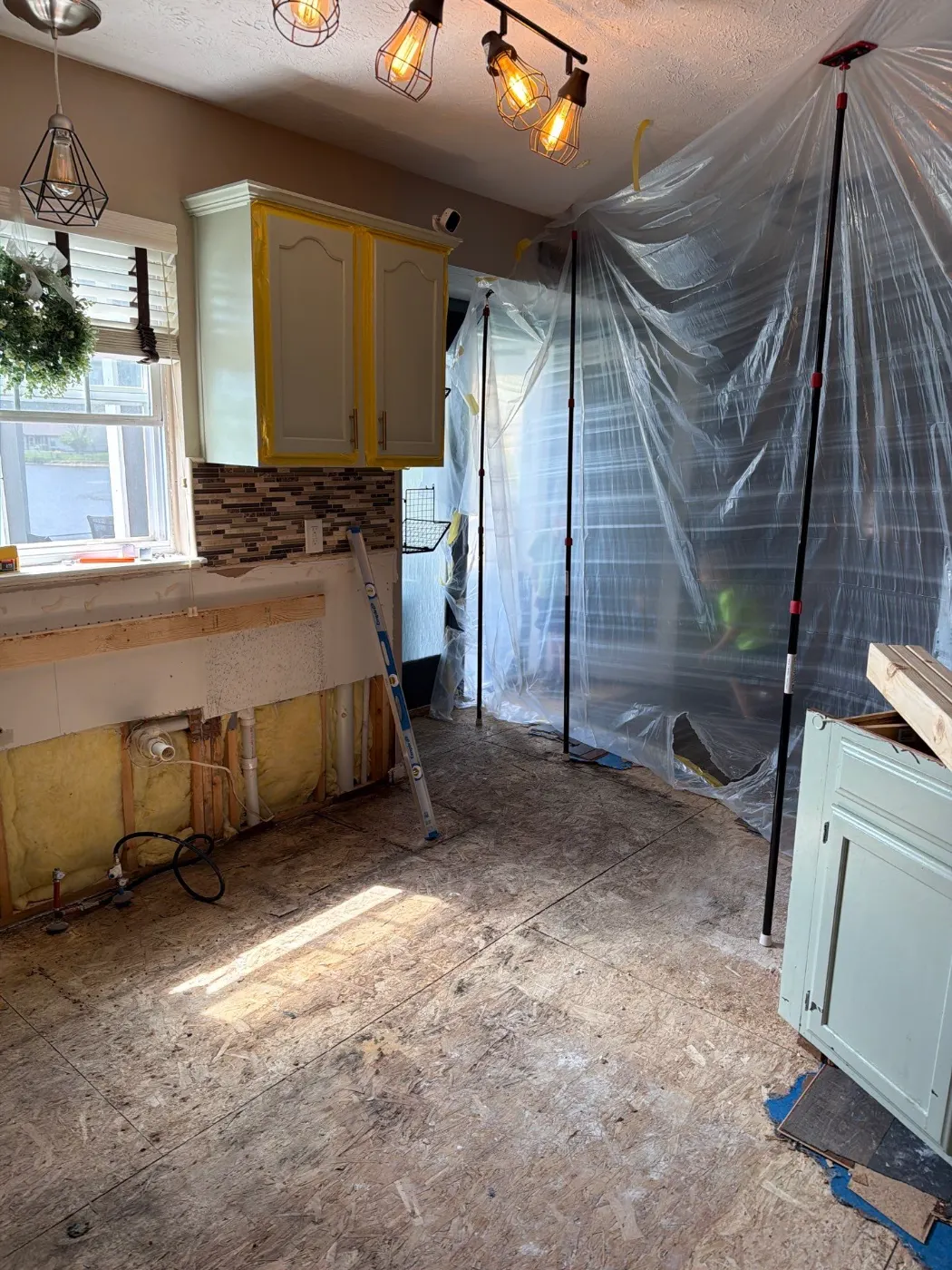
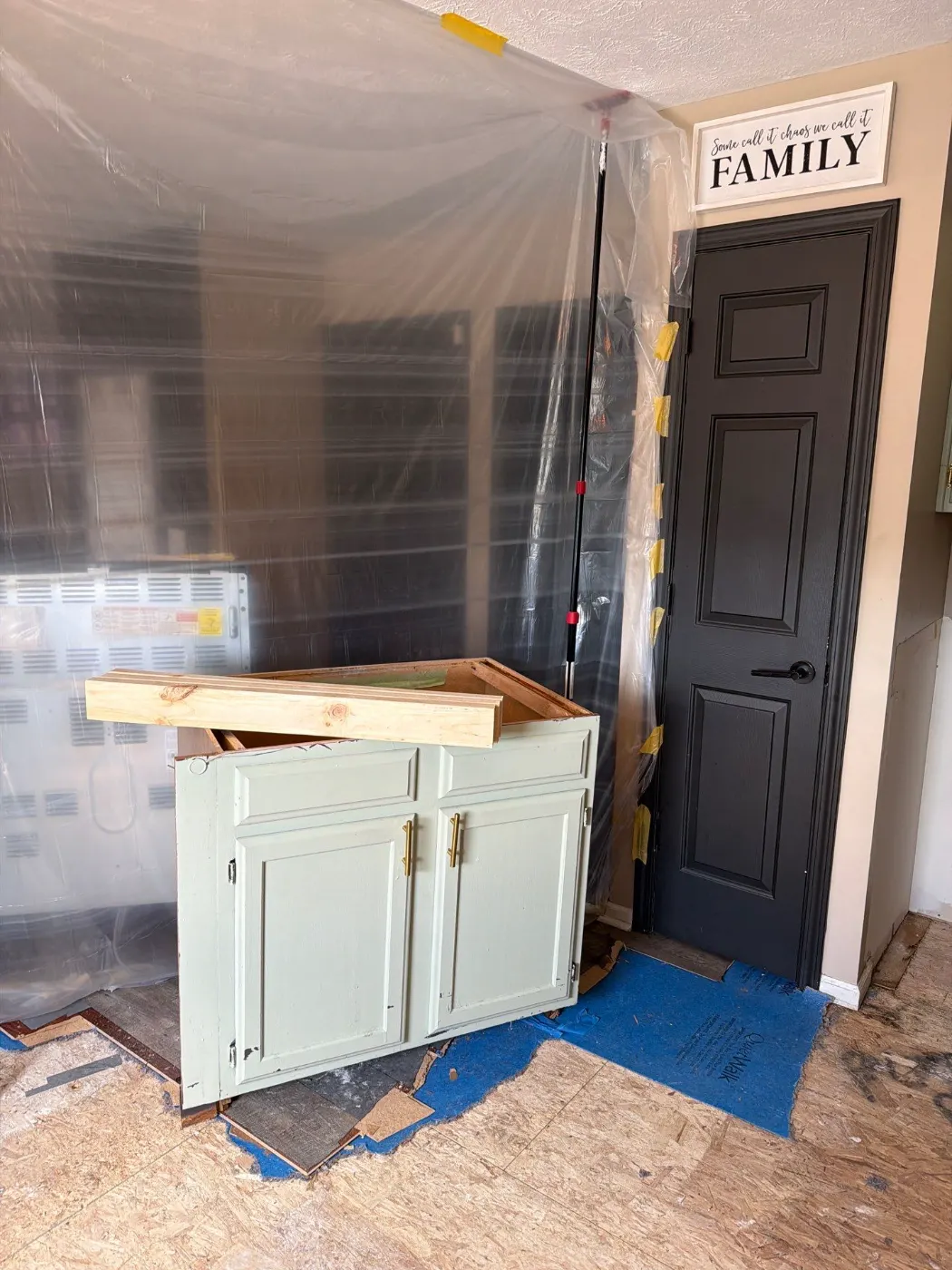
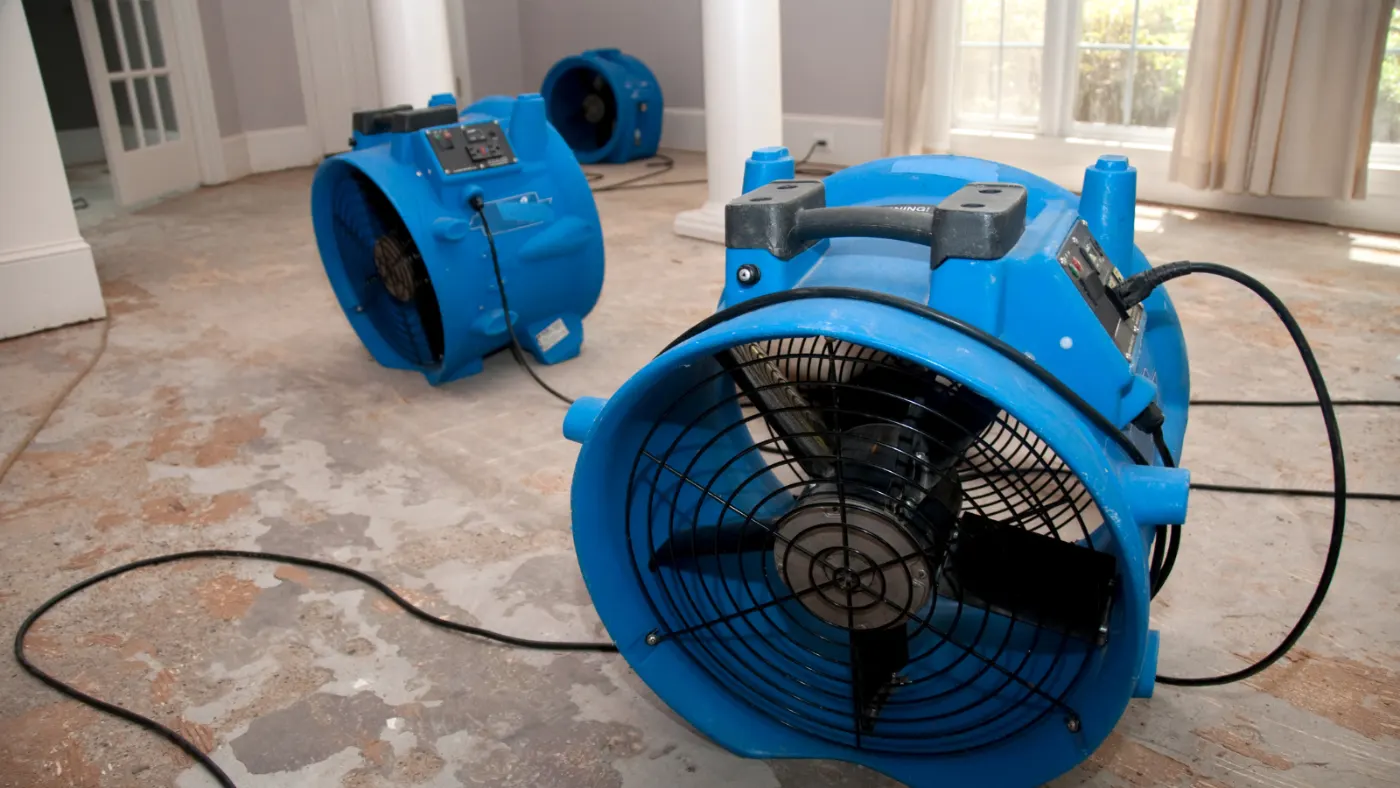
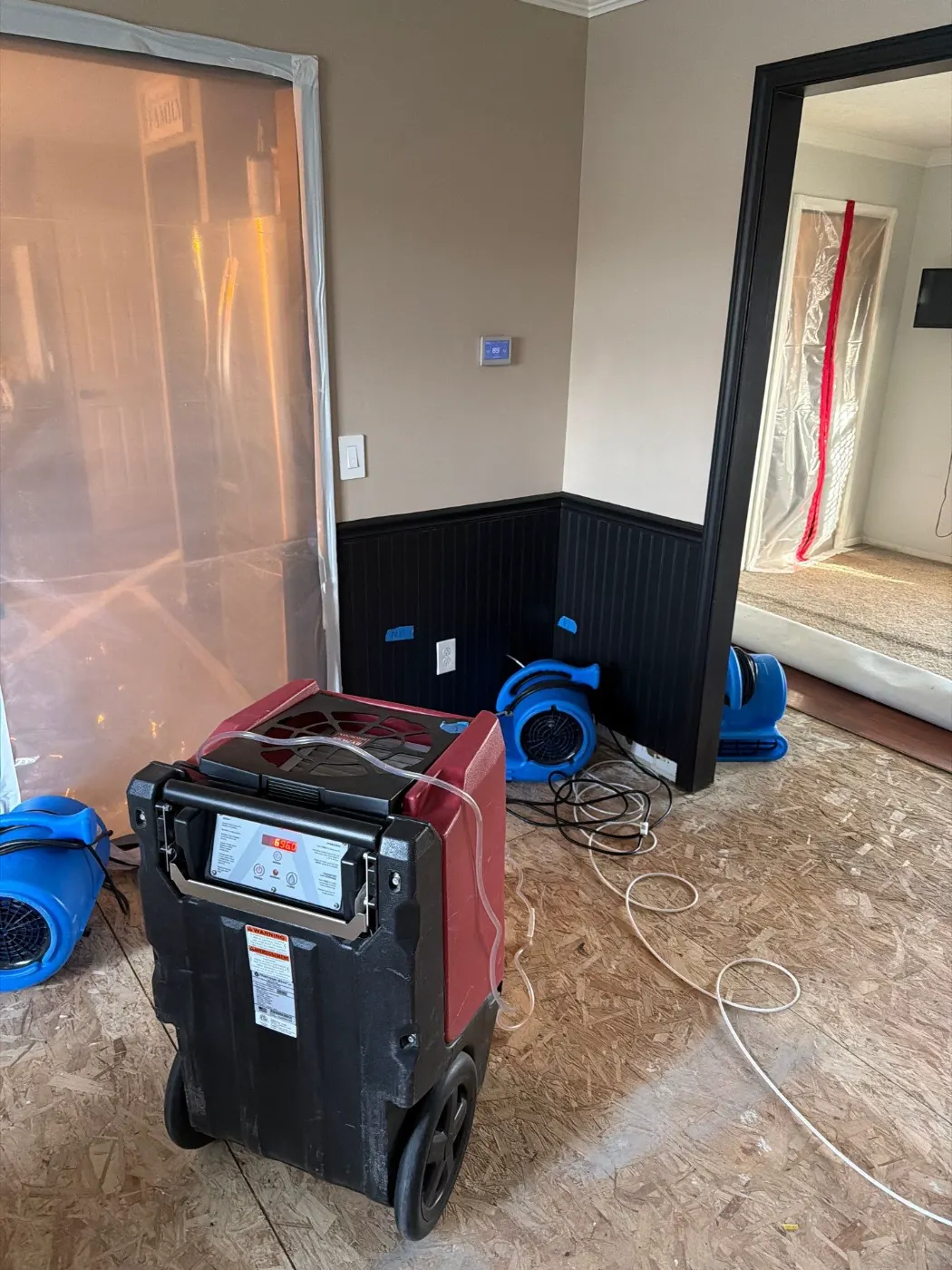
Photographs from real commercial storm damage jobs completed by our crew in Devon and surrounding areas.
Commercial Storm Damage FAQ
Questions Devon property managers ask us about commercial storm damage restoration.
Guidance and Standards for Commercial Storm Damage
- The National Weather Service office in Indianapolis posts summaries of recent central Indiana storm and flood events. NWS Indianapolis Event Summaries
- The ANSI/IICRC S500 is the published standard for professional water damage restoration. The current edition is the Fifth Edition, 2021. IICRC S500 Standard
Devon Neighborhoods We Serve
We take commercial storm damage calls in every part of Devon. Pick your neighborhood for local details.
Other Restoration Services in Devon
Devon Water Restoration handles the full scope of restoration work. Explore our other services below.
Water Damage Restoration in Devon
24/7 emergency response. IICRC certified water restoration from extraction to full dry out.
Learn more →Basement Flooding in Devon
Basement water emergencies handled fast. Extraction, drying, mold prevention.
Learn more →Sewage Cleanup in Devon
Category 3 biohazard cleanup. Full containment, decontamination, structural restoration.
Learn more →Request Commercial Storm Damage Restoration
Reach Us Directly
Our team is available 24/7 for emergencies and ready to schedule inspections during business hours.
Need Immediate Help?
For active water or mold emergencies, call us directly. We are available 24/7.